
Breastfeeding in the Light of Modern Scientific Research
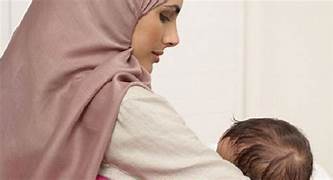
One of the remarkable aspects of the Qur'anic guidance on breastfeeding is that many of its principles have been affirmed by contemporary medical and scientific research. Although the Qur'an prescribed a complete breastfeeding period of two years more than fourteen centuries ago, modern health organizations now recommend remarkably similar practices based on extensive scientific evidence.

The World Health Organization (WHO) and UNICEF recommend exclusive breastfeeding for the first six months of life, followed by continued breastfeeding along with appropriate complementary foods up to two years of age or beyond. This recommendation closely corresponds with the Qur'anic injunction:
﴿وَالْوَالِدَاتُ يُرْضِعْنَ أَوْلَادَهُنَّ حَوْلَيْنِ كَامِلَيْنِ﴾
"Mothers shall breastfeed their children for two complete years." (Qur'an 2:233)
Scientific research has demonstrated that breast milk is not merely a source of nutrition; it is a living biological substance containing antibodies, immune cells, enzymes, hormones, stem cells, and beneficial bacteria that cannot be replicated by artificial formula.
Numerous clinical studies have shown that breastfed infants experience a significantly lower risk of respiratory infections, diarrhea, ear infections, obesity, type 1 and type 2 diabetes, childhood leukemia, and sudden infant death syndrome (SIDS). Breastfeeding also contributes to improved cognitive development, with several longitudinal studies reporting modest but measurable improvements in intelligence scores and academic performance among breastfed children.
Modern neuroscience has further revealed that breastfeeding strengthens the emotional bond between mother and infant. During nursing, the hormone oxytocin, often called the "love hormone," is released in both mother and child. Oxytocin promotes secure attachment, reduces maternal stress, enhances emotional stability, and supports healthy neurological development in the infant.
Research has also established substantial health benefits for mothers. Women who breastfeed have a lower lifetime risk of breast cancer, ovarian cancer, type 2 diabetes, hypertension, and cardiovascular disease. Breastfeeding also facilitates postpartum recovery by stimulating uterine contraction and reducing postpartum bleeding.
From an economic perspective, breastfeeding substantially reduces healthcare costs by decreasing childhood illnesses and hospital admissions while eliminating much of the expense associated with infant formula. It also contributes to environmental sustainability by producing no industrial waste, packaging, or carbon emissions associated with formula production.
Recent discoveries in microbiology have highlighted another remarkable feature of breast milk. Human milk contains Human Milk Oligosaccharides (HMOs)—complex sugars that nourish beneficial intestinal bacteria rather than the infant directly. These compounds help establish a healthy gut microbiome, strengthen the immune system, and may reduce the risk of allergies and autoimmune diseases later in life.

Scientists have also discovered that breast milk changes dynamically according to the infant's age, health status, and developmental needs. For example, the composition of milk produced for premature infants differs from that produced for full-term infants. Some studies even suggest that when an infant becomes ill, the mother's milk adapts by increasing protective immune components.
These scientific findings do not "prove" the Qur'an; rather, they illustrate the remarkable harmony between divine guidance and the observable realities of human biology. The Qur'anic emphasis on breastfeeding, parental responsibility, consultation, and the protection of children's rights reflects a holistic vision of family life that continues to be supported by contemporary medical science.
In an era marked by rapid social change and increasing challenges to family stability, the Qur'anic model of breastfeeding remains not only spiritually profound but also scientifically relevant. It demonstrates that Islamic teachings regarding early childhood care promote physical health, emotional well-being, cognitive development, and social stability—benefiting not only individual families but society as a whole.




Comments
No comments yet. Be the first to write one.
Comments are closed.