
Respect for Human Dignity: A Comparison between Islam and Liberalism
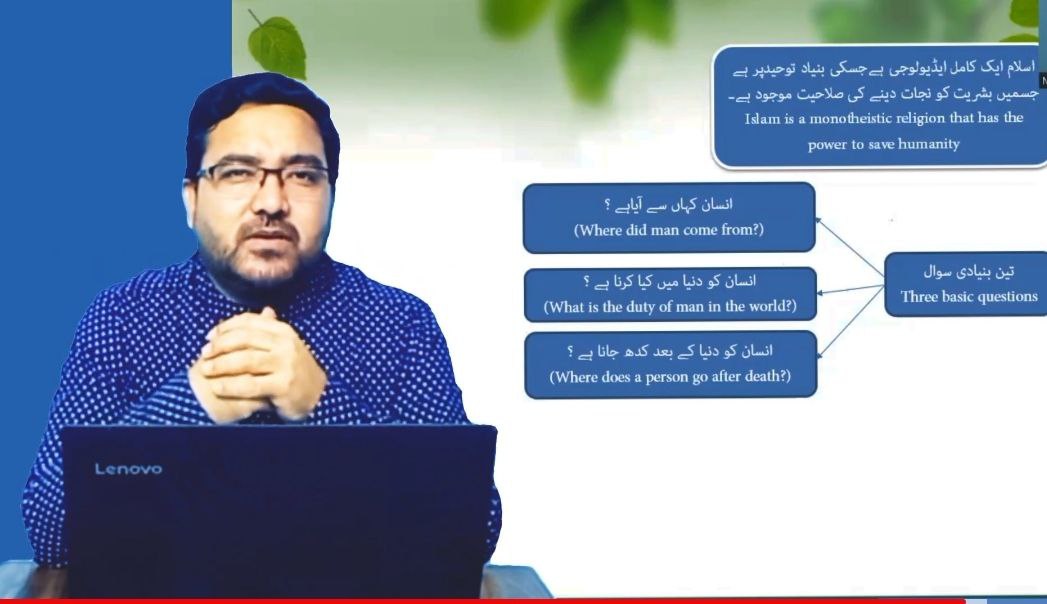
Analysis by: Muhammad Jawad Habib
Liberalism is a school of thought or way of life that emphasizes individual freedom. This ideology opposes tyranny and authoritarianism, whether it is imposed by the state, religion, or a political party. According to some scholars, liberalism began when humans took steps toward securing their freedom. However, in modern terms, liberalism is a result of the Humanism movement, which emerged in the West after the Renaissance, the Reformation, and the Enlightenment.
In reality, liberalism as a school of thought truly took shape during the Enlightenment in the 18th century. A key characteristic of liberalism is its focus on individual freedom, which is prioritized above all values and ethics. According to liberalism, freedom is one of the fundamental human rights, and individuals are entitled to dignity and respect.
On the other hand, Islam, which is the final and most complete religion revealed by God, believes in human dignity. Islam holds that respect, honor, and nobility are intrinsic to humanity. Every individual is entitled to respect, and it is obligatory to honor every human being. In Islam, humans are seen as beings who possess divine attributes, with the potential to attain the highest spiritual and existential status, where they worship God alone.
The Quran clearly states that human beings are entitled to dignity (وَلَقَدْ كَرَّمْنَا بَنِي آدَمَ) and that God has created all the blessings of the earth for humanity (هُوَ الَّـذِىْ خَلَقَ لَكُمْ مَّا فِى الْاَرْضِ جَـمِيْعًا).
Thus, both Islam and liberalism emphasize the importance of human dignity and the need to respect and honor humans. In this article, when we talk about human dignity, we mean the fulfillment of both material and spiritual rights, including wealth, safety, education, and a life of honor, freedom in political and social fields, and the ability to practice faith, among other fundamental rights. No one should have the authority to deprive humans of these rights.
Now, the question arises: Are Islam and liberalism in agreement regarding human dignity and respect? If the answer is negative, what are the differences between the two schools of thought regarding human dignity? This article aims to answer this question.

Human Dignity in Islam and Liberalism:
When we study the topic of human dignity in Islam and liberalism, it becomes evident that, in liberalism, human life is seen as finite, ending with death. However, in Islam, human life is considered a preparation for the afterlife, and the afterlife begins after death. Liberalism views humans as independent of divine revelation, while Islam regards humans as dependent on divine revelation. Liberalism denies the existence of God, while Islam believes in the existence of God. Several other differences exist between the two ideologies, as discussed below:
- Human Dignity and Respect in Islam: In Islam, human dignity and respect are defined within the framework of reason and Sharia law. However, in liberalism, human dignity and freedom are viewed as an individual's right, even if it goes against human nature or reason. As long as an individual's freedom does not harm the freedoms of others in society, it is considered acceptable. In Islam, however, any act that harms one's self is not permitted.
- The Role of the Self in Liberalism: In liberalism, individuals are free to follow their own desires and consider anything permissible as long as it does not harm others. In contrast, Islam forbids following desires and places the human intellect in a state of needing divine guidance.
- Freedom of Consumption and Lifestyle: Liberalism grants individuals the freedom to wear whatever they want, eat anything, and go anywhere, considering it an expression of human dignity and freedom. In Islam, however, there are specific conditions for clothing, food, and housing. Islam prescribes modest clothing for men and women, prohibits nudity in public, and sets dietary rules, such as forbidding alcohol, pork, and impure substances. Moreover, Islam forbids entering sinful gatherings.
- Morality and Ethics: Liberalism promotes freedom in actions such as mockery, immorality, gossip, and slander, considering them as a part of human freedom and dignity. However, Islam strictly forbids these actions and condemns them as immoral and harmful.
- Sexual Morality: Liberalism views sexual relationships as a personal choice, permitting extramarital relations, homosexuality, and other sexual deviations as part of human dignity. Islam, on the other hand, prohibits these actions, considering them sinful and immoral.
- Humanism in Liberalism vs. Theism in Islam: In liberalism, human dignity is based on humanism, where humans are the center of dignity. In Islam, however, human dignity is grounded in monotheism and worship of God. The ultimate source of dignity is belief in God and obedience to Him.
- The Individual vs. Society: In liberalism, the individual is primary, and individual freedom takes precedence over the collective good of society. In contrast, Islam emphasizes that neither the individual nor society is paramount; rather, the truth is what matters. If the individual holds the truth, their rights take precedence, but if society holds the truth, society's rights take precedence.
- Freedom of Religion: Islam prohibits compulsion in religion (لا اکراہ فی الدین قد تبین الرشد من الغی) and encourages inviting others to faith with wisdom and good advice (ادع الی سبیل ربک بالحکمه و المو عظه الحسنه و جادلهم بالتی هی احسن). Liberalism, however, allows complete freedom of belief and action, including accepting all religions or none at all.
- The Role of Law: Islam emphasizes that God's commands are based on ease and compassion (یرید الله بکم الیسر و لا یرید بکم العسر) and that no one is burdened beyond their capacity (لا یکلف الله نفسا الا وسعها). Islam does not accept absolute tolerance or leniency in all matters, especially if someone deviates from the truth. In contrast, liberalism supports unconditional tolerance and leniency.
Conclusion:
In liberalism, human dignity is a one-dimensional, material, animalistic, and worldly concept. In Islam, however, human dignity encompasses multiple dimensions: spiritual, material, human, and divine, with both worldly and afterlife considerations. Therefore, the concept of human dignity differs significantly between Islam and liberalism, and it is incorrect to consider these two ideologies as similar or aligned in thought.

Comments
No comments yet. Be the first to write one.
Comments are closed.